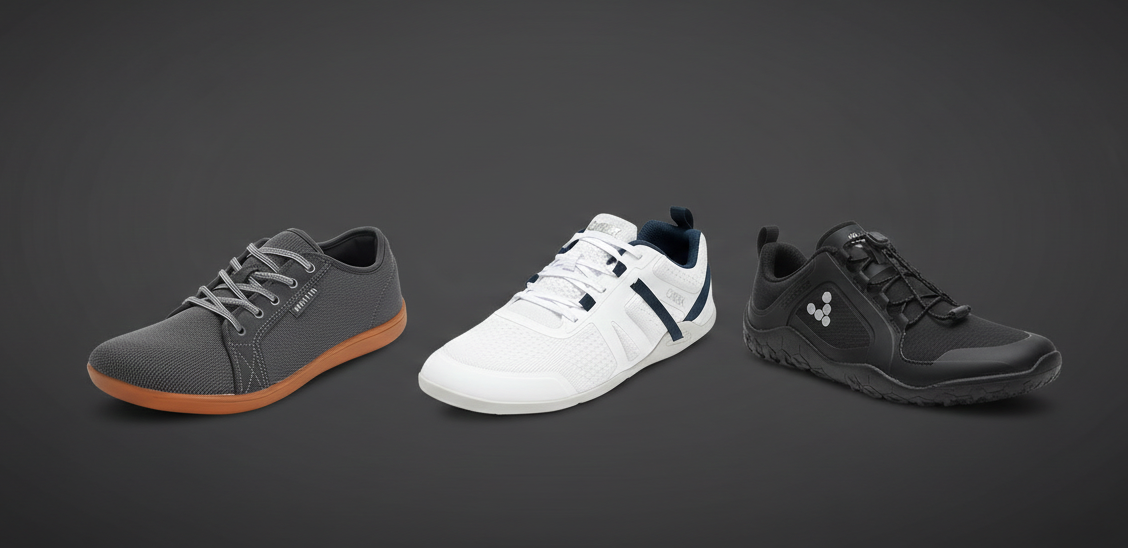
Your feet are your primary interface with the earth. They contain 26 bones, 33 joints, and over 100 muscles, yet most modern footwear treats them like a rigid block. In 2026, the data is clear: the narrow toe boxes and elevated heels of traditional shoes are major contributors to back pain, bunions, and poor proprioception.
The best barefoot shoes (also called minimalist footwear) are designed to let your feet function exactly as nature intended. By transitioning to a “Zero Drop” platform with a wide toe box, you are effectively “re-wilding” your movement and restoring the natural alignment of your entire skeletal system.
We also recommend checking out our guide to the Best Weighted Vests for Bone Density Walks.
Table of Contents
Affiliate Disclosure: As an Amazon Associate, we may earn a commission from qualifying purchases at no additional cost to you.
The Three Pillars of Minimalist Footwear
For a shoe to be considered one of the best barefoot shoes in our longevity lab, it must meet three non-negotiable criteria:
- Zero Drop: The heel and the forefoot are at the exact same height. This eliminates the forward pelvic tilt caused by traditional heels, instantly improving spinal alignment.
- Wide Toe Box: Your toes should be able to splay naturally. This creates a stable “tripod” base, preventing the inward collapse of the big toe (hallux valgus).
- Ground Feel (Flexibility): A thin, puncture-resistant sole allows your brain to receive sensory feedback from the ground. This is vital for balance and preventing falls as we age.
Deep Dive: 2026 Barefoot Shoe Reviews
1. The Precision Tool: Vivobarefoot Primus Lite III

The Vivobarefoot Primus Lite III isn’t just a shoe; it’s a sensory organ for your feet. In 2026, they remain the best barefoot shoes for those who want the absolute minimum between their skin and the earth.
- The Construction: It features a 2mm Active Sole that is puncture-resistant but provides an unmatched “ground feel.” The upper is made from recycled polyester, which is highly breathable for Florida’s humidity.
- The Performance: Because the sole is so thin, your brain receives high-fidelity data about the terrain. This forces your intrinsic foot muscles (the small stabilizers) to fire constantly.
- The Longevity Angle: By using these for gym sessions, you improve your “tripod” stability, locking the big toe, pinky toe, and heel into the ground, which increases power output in squats and deadlifts by up to 10% compared to squishy sneakers.
- Best For: Technical training and purists who want zero interference with their feet’s natural mechanics.
2. The Versatile Hybrid: Xero Shoes Prio Neo

The Xero Shoes Prio Neo is the “evolution” of the original best barefoot shoes. While Vivo focuses on the thinnest possible sole, Xero provides a slightly more durable FeelTrue rubber that can handle hundreds of miles of asphalt.
- The Construction: The Prio Neo features a more refined, sleek upper than its predecessors. It includes reflective hits for late-evening walks and a moisture-wicking lining that is comfortable without socks.
- The Performance: The standout feature is the huarache-inspired strap system. When you tighten the laces, the midfoot straps pull tight, securing your foot while leaving the forefoot completely wide and free. This prevents the “sliding” often felt in wider shoes during lateral movements.
- The Longevity Angle: Xero’s 5,000-mile sole warranty makes this the most sustainable choice for those looking to transition their entire daily wardrobe to a zero-drop lifestyle.
- Best For: Daily wear, light trail hiking, and beginners who need a shoe that feels “secure” but is still anatomically correct.
3. The Accessible Entry Point: WHITIN Minimalist Barefoot Sneakers

The WHITIN Men’s Wide Minimalist Barefoot Sneakers have democratized the barefoot movement. While other brands can cost upwards of $150, WHITIN provides a high-quality, anatomically correct shoe that makes the transition to minimalist footwear accessible to everyone. In 2026, they remain the best barefoot shoes for their durability and reliable “foot-shaped” design.
- The Construction: These sneakers feature a classic canvas upper (with synthetic and knit options available) that provides a familiar aesthetic while hiding a completely flat, zero-drop sole. The rubber outsole is flexible enough to roll into a ball, yet thick enough to provide protection against urban hazards.
- The “Wide” Advantage: WHITIN offers a specifically designed “Wide” version of their sneakers. This is critical because many “minimalist” shoes are still built on traditional, narrow lasts. The WHITIN wide toe box ensures that your metatarsals have the room they need to splay, which is the key to activating your natural shock absorption.
- The Performance: These are the ultimate “daily drivers.” Whether you are running errands in Hobe Sound or standing for long shifts, the lack of a raised heel allows your Achilles tendon to remain at its natural length. This helps to alleviate the lower back tension and calf tightness that often comes from wearing traditional sneakers with a 10mm or 12mm “drop.”
- The Longevity Angle: By providing an affordable way to transition to barefoot shoes, WHITIN allows users to start their structural realignment journey immediately. Their removable sockliner (insole) provides a “training wheels” approach: keep it in for a bit of extra cushion during your first few weeks, then remove it for the full 2026 “ground feel” experience.
- Best For: Budget-conscious biohackers, beginners transitioning to barefoot shoes, and those who want a simple, clean sneaker for everyday use.
The “Foot Core” System
In 2026, sports medicine has shifted focus toward the “Foot Core,” the idea that the foot has an intrinsic muscular system just like the abdomen.
- Intrinsic vs. Extrinsic Muscles: Most shoes only allow the large extrinsic muscles (which start in the lower leg) to move the foot. The best barefoot shoes force the intrinsic muscles (which start and end within the foot) to engage.
- Arch Reconstruction: Contrary to the “arch support” myth, arches are dynamic structures. By wearing barefoot shoes and performing “short foot” exercises, many individuals are successfully rebuilding collapsed arches, leading to a more resilient foundation for high-impact activities.
- Shock Absorption: When the foot is allowed to splay and the arch is allowed to compress and rebound, the body’s natural shock-absorption system is activated. This reduces the “G-force” impact on the hips and lower back by up to 30%, a critical factor for long-term joint preservation.
Sensory Input and Fall Prevention
As we look at the “Centenarian Decathlon” (the physical tasks we want to be able to do at age 100), balance is the most vital skill.
- The Neural Map: The soles of your feet are as sensitive as the palms of your hands. When you wear “max cushion” shoes, you are effectively blind-folding your brain’s navigation system.
- The Balance Dividend: Transitioning to the best barefoot shoes increases the density of the neural map between your feet and your brain. This “higher resolution” feedback allows for micro-adjustments in posture that prevent stumbles from becoming falls.
- Ground Feel as Longevity: In 2026, “Ground Feel” is considered a safety feature. The more accurately you can feel the surface you are walking on, the more gracefully your body can move through space, preserving your mobility well into your 80s, 90s, and beyond.
Proprioception and the “Brain-Foot” Connection
The most overlooked benefit of the best barefoot shoes is Proprioception, the body’s ability to sense its position and movement in space.
- Sensory Deprivation: Traditional shoes with thick foam act like “noise-canceling headphones” for your feet. This lack of feedback causes the brain to “numb out” the signals from the feet, leading to the shuffling gait often seen in aging.
- Neural Plasticity: Barefoot shoes re-engage the 200,000 nerve endings on the soles of your feet. This increased sensory input forces the brain to map the terrain more accurately, which significantly improves balance and reaction time—the #1 defense against falls, which are a leading cause of injury in later life.
- The “Sand Effect”: Walking in minimalist shoes on uneven surfaces (like the sand in Hobe Sound) creates a high-load sensory environment that strengthens the neural pathways between your feet and your cerebellum.
The Kinetic Chain (From Toes to Teeth)
Structural alignment is a “bottom-up” process. If the foundation (the feet) is tilted or compressed, every joint above it must compensate.
- Ankle & Knee Health: Traditional “heeled” sneakers shorten the Achilles tendon and calf muscles over time. This reduces ankle mobility, which then forces the knee to take on extra stress. Moving to the best barefoot shoes with Zero Drop restores the natural length of the posterior chain, often resolving “unexplained” chronic knee pain.
- Pelvic Tilt and the Spine: A mere 10mm heel lift in a standard sneaker creates a permanent forward tilt in the pelvis (Anterior Pelvic Tilt). This forces the lower back to arch excessively to keep the torso upright. Barefoot shoes allow the pelvis to settle into a neutral position, stacking the spine vertically and reducing “office worker” lower back strain.
- The 2026 Consensus: True posture isn’t about “standing up straight”; it’s about having a neutral foundation that doesn’t force your muscles into a constant state of compensation.
The Transition Protocol: Don’t Rush the Re-Wilding
You cannot undo 20 or 30 years of restrictive footwear in a single week. To avoid “minimalist injuries” like stress fractures or calf strains, follow this 2026 protocol:
- The 10% Rule: Start by wearing one of the best barefoot shoes for just 10% of your day (e.g., around the house or on a short walk).
- Foot Mobilization: Use a lacrosse ball or foot roller to break up fascia tension daily.
- Toe Spacers: Wear silicone toe spacers (like Correct Toes) inside your barefoot shoes to actively realign the bones while you move.
Conclusion: Building Your Foundation
In 2026, we realize that “orthopedic” support is often a crutch that weakens the foot. True support comes from the strength of your own muscles and the alignment of your bones. By switching to the Best Barefoot Shoes, you aren’t just buying a pair of sneakers; you are investing in the long-term structural integrity of your body.
Was this article helpful? Read one of these next:
Leave a Reply