In 2026, many biohackers have mastered the art of wearing blue-light blocking glasses after sunset. We understand that blue light suppresses melatonin. But there is a second, more “invisible” enemy lurking in your LED bulbs that is sabotaging your healthspan: Flicker.
Most modern LED bulbs don’t stay “on” continuously. Instead, they turn on and off hundreds of times per second to save energy or dim the light, which is why flicker-free bulbs for longevity are essential. While your eyes may not consciously see it, your brain and nervous system are forced to process this rapid pulsing, a phenomenon known as invisible flicker. For the longevity-minded individual, this constant neural processing is a source of chronic biological stress.
We also recommend checking out our guide on the benefits of Pulsed Electromagnetic Field Therapy mats.
Table of Contents
Affiliate Disclosure: As an Amazon Associate, we may earn a commission from qualifying purchases at no additional cost to you.
The Science: How Flicker Impacts Your Biology
In the natural world, light is constant (the sun, a candle, a fire). Our nervous systems are not evolved to handle light that strobes at frequencies between 100Hz and 400Hz.
- The Cortisol Spike: Invisible flicker can trigger the “fight or flight” response. Research in 2026 shows that working under high-flicker LEDs can lead to elevated daytime cortisol levels, contributing to systemic inflammation.
- Mitochondrial Stress: Because the retina is one of the most energy-dense tissues in the body, forcing it to process a strobing signal 120 times per second puts a massive “ATP drain” on your ocular mitochondria.
- Circadian Disruption: Flicker interferes with the brain’s ability to transition into “rest and digest” mode. Even if the light is warm-toned, the frequency of the pulse can prevent the deep, restorative sleep necessary for autophagy.
- Neurological Fatigue: This is why you feel “fried” after a day in a corporate office or big-box store. Your brain is exhausted from the sub-perceptual effort of “filling in the gaps” of the strobing light.
The 2026 Standard: Defining Flicker-Free Bulbs for Longevity
When shopping for your longevity lab, you must look beyond the “Energy Star” label. In 2026, we use the Flicker Index and Percent Flicker as our primary metrics for flicker-free bulbs for longevity.
- Standard LED: Often has a flicker rate of 20–50%.
- Flicker-Free / Low-Flicker: Should have a flicker rate of less than 1% (ideally 0%).
How to Test Your Bulbs (The “Slo-Mo” Hack)
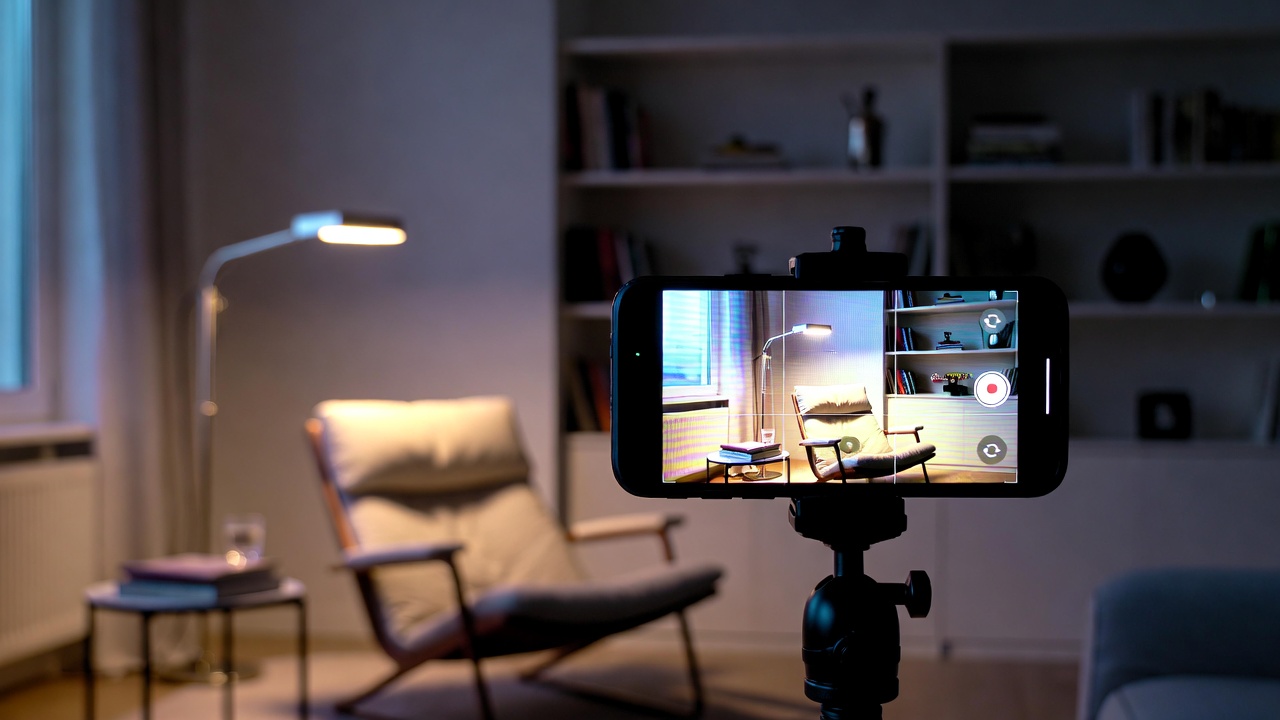
You don’t need a $1,000 spectrometer to find the culprits. Take your smartphone, set the camera to Slo-Mo mode, and point it at your light bulb. If you see dark bands or strobing on the screen, that bulb is stressing your nervous system. True flicker-free bulbs for longevity will remain perfectly steady on your screen.
Top Flicker-Free Lighting Brands for 2026
1. The Gold Standard: Bedtime Bulbs

Specifically designed for the evening hours, Bedtime Bulbs use high-quality drivers that eliminate flicker entirely. They also remove the specific blue-green wavelengths that disrupt melatonin.
- Best For: Bedrooms, reading lamps, and recovery spaces.
2. The Full-Spectrum Leader: NorbSMILE Sun-Like LED

The NorbSMILE is engineered specifically to mimic the sun’s natural light spectrum, making it one of the top-tier flicker-free bulbs for longevity, supporting your circadian rhythm during the day. It is designed with high-quality drivers that eliminate the stroboscopic flicker found in standard LEDs.
- The Benefit: It provides a “sun-balanced” spectrum that supports mood and energy levels while maintaining a flicker-free output to prevent neurological eye strain and cortisol spikes.
- Best For: Home offices, reading nooks, and any area where you spend significant daytime hours and want to minimize “digital” light stress.
3. The Budget Biohacker: Philips UltraDefinition

While many consumer brands are high-flicker, the Philips UltraDefinition line has made strides in 2026 by using better drivers that significantly reduce TLM (Temporal Light Modulation) compared to their cheaper counterparts.
- Best For: General home lighting on a budget.
The Longevity Lab Lighting Protocol
To optimize your environment, follow this three-tier replacement strategy:
- Tier 1 (The Sleep Sanctuary): Replace every bulb in your bedroom with flicker-free bulbs for longevity, warm-spectrum (under 2700K). This is the most critical area for recovery.
- Tier 2 (The Workspace): Use high-CRI, flicker-free bulbs in your office to prevent “digital eye strain” and maintain cognitive endurance throughout the day.
- Tier 3 (The Whole House): Gradually phase out old LEDs in high-traffic areas like the kitchen and living room.
Conclusion: Lighting for Cellular Peace
Longevity is about removing friction from your biological systems. By switching to flicker-free bulbs for longevity, you are removing a constant, invisible stressor from your brain and mitochondria. It is one of the simplest and most effective “passive” biohacks you can perform to protect your nervous system and ensure your environment supports your long-term health goals.
Was this article helpful? Read one of these next:
Leave a Reply