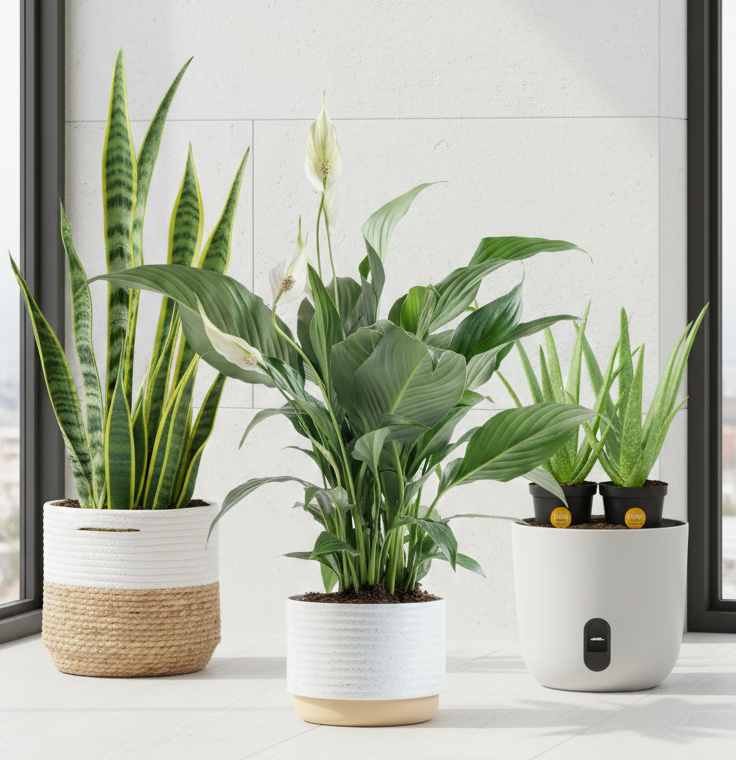
For the longevity seeker, the quality of the air you breathe during the 7–9 hours you spend in bed is a critical variable. Most plants perform photosynthesis during the day, releasing oxygen when the sun is out. However, a specific group of plants utilizes Crassulacean Acid Metabolism (CAM), meaning they open their stomata at night to absorb CO2 and release oxygen.
By placing the best plants for home oxygen optimization in your bedroom and workspace, you can subtly enhance your local oxygen environment and filter out toxins like formaldehyde and benzene, often found in furniture and flooring, ensuring your cellular repair processes have the cleanest fuel possible.
We also recommend checking out our biohacker’s guide to the Best High-Speed Blenders for Smoothies.
Table of Contents
Affiliate Disclosure: As an Amazon Associate, we may earn a commission from qualifying purchases at no additional cost to you.
The Science: CAM Photosynthesis and Air Purification
The 1989 NASA Clean Air Study was just the beginning. In 2026, we understand that the best plants for home oxygen optimization do more than just filter air; they regulate humidity and produce phytoncides, which can lower stress hormones and improve immune function.
- Nocturnal Respiration: CAM plants are evolutionarily adapted to arid environments. By releasing oxygen at night, they directly support your brain’s oxygenation during deep sleep stages.
- Bio-Filtration: Plant roots and their associated soil microbes are highly efficient at breaking down atmospheric toxins, turning harmful VOCs into plant food.
- Humidity Regulation: Plants release roughly 97% of the water they take in, acting as natural humidifiers that prevent the drying of respiratory membranes—a common cause of sleep disruption.
Best Plants for Home Oxygen Optimization
1. The Nocturnal Champion: Snake Plant (Sansevieria)

The Snake Plant is the “gold standard” for bedroom longevity. It is one of the few plants that convert CO2 into oxygen specifically at night, making it one of the best plants for home oxygen optimization.
- The Benefit: It is incredibly hardy, requiring minimal light and water. It is a top performer in filtering formaldehyde, xylene, and toluene from the air.
- Best For: Bedrooms and low-light offices where nighttime oxygen optimization is the priority.
2. The Medicinal Multitasker: Aloe Vera

Aloe Vera is a CAM plant powerhouse. Beyond its famous topical healing properties, it is one of the best plants for home oxygen optimization because it alerts you to poor air quality by developing brown spots when toxin levels are high.
- The Benefit: It releases oxygen throughout the night and effectively scrubs benzene (found in detergents and plastics) from your environment.
- Best For: Sunny windowsills in the bedroom or kitchen.
3. The High-Volume Filter: Peace Lily (Spathiphyllum)

While not a CAM plant, the Peace Lily is widely regarded as one of the best plants for home oxygen optimization in the NASA study, capable of removing mold spores and almost all common indoor toxins.
- The Benefit: It significantly increases room humidity (up to 5%), which can improve breathing for those with allergies or dry sinuses.
- Best For: Living areas and larger labs where high-volume air scrubbing is needed.
The Best Pots for Plant Longevity
A plant is only as healthy as its root system. To ensure the best plants for home oxygen optimization thrive for years, you need pots that prioritize drainage and aeration.
1. The “Set-and-Forget” Expert: Window Garden Self-Watering Planters

The Window Garden Aquaphoric Planter uses a high-tech wicking system that provides the exact amount of water the roots need.
- The Benefit: It eliminates the “over-watering” error that kills most indoor plants. The built-in water level indicator ensures your plants never go thirsty while you’re focused on your longevity protocols.
- Best For: Busy biohackers who want thriving plants without the daily maintenance.
2. The Aesthetic Heavy-Duty Choice: La Jolie Muse Ceramic Pots

For a “Longevity Lab” aesthetic, the La Jolie Muse Ceramic Planter offers a premium, minimalist look with a heavy-duty build.
- The Benefit: It features deep drainage holes and a matching ceramic saucer, allowing for proper “flushing” of the soil to prevent mineral buildup and root rot.
- Best For: Statement plants in the living room or entryway.
The Soil Microbiome: Your Secret Weapon for VOC Filtration
While we often focus on the leaves, the true heavy lifting of the best plants for home oxygen optimization happens beneath the surface. In 2026, we understand that a plant is actually a biological filter system where the soil and roots play the leading roles.
- Microbial Degradation: The roots of plants like the Snake Plant and Peace Lily host billions of specialized bacteria and fungi. These microbes break down complex toxic gases, such as formaldehyde, benzene, and trichloroethylene, and convert them into harmless nitrogen and carbon compounds that the plant then uses for food.
- The Rhizosphere Effect: As a plant transpires, it creates a small “vacuum” that pulls air down into the soil. This ensures that the air in your room is constantly being cycled through this subterranean microbial “processing plant.”
- Longevity Tip: To optimize this, avoid using synthetic fertilizers that can kill off these beneficial soil microbes. Stick to organic, slow-release worm castings or compost tea to keep your soil’s filtration capacity at its peak.
Biophilia & The Circadian Link: Mental Health for the Long Game
Longevity isn’t just about oxygen levels; it’s about managing the allostatic load (chronic stress) on your nervous system. The presence of the best plants for home oxygen optimization triggers a biological response known as Biophilia, our innate, evolutionary need to connect with nature.
- Lowering Cortisol: Studies show that simply having a Peace Lily or Aloe Vera in your line of sight can reduce sympathetic nervous system activity (fight-or-flight) and lower blood pressure.
- Color Therapy: The specific wavelength of light reflected off green leaves is known to be soothing to the human eye, reducing digital eye strain and mental fatigue after long hours in your longevity lab.
- Circadian Anchoring: By choosing plants that thrive in natural light cycles, you create a “living clock” in your home. Watching your plants react to the morning sun helps anchor your own circadian rhythm, signaling your brain to start its daytime energy production.
The Longevity Lab Protocol: Maintenance and Placement
To maximize the biological benefits of your greenery, follow this 2026 protocol:
- The Bedroom “Forest”: Aim for 2-3 large Snake Plants per 100 square feet of bedroom space to see a measurable impact on nighttime air quality.
- Dust Your Filters: Dust buildup on leaves blocks the stomata and reduces the plant’s ability to “breathe.” Wipe leaves with a damp cloth every two weeks.
- The Soil Microbiome: Use high-quality organic potting soil. The microbes in the soil do much of the heavy lifting in breaking down VOCs.
Conclusion: Cultivating a Living Environment
Your environment is the foundation of your longevity. By strategically integrating oxygen-optimizing plants like the Snake Plant and Aloe Vera into high-quality self-watering pots, you are creating a passive, biological support system for your respiratory and cellular health. In 2026, the best longevity lab isn’t just full of tech, it’s alive.
Was this article helpful? Read one of these next:
Leave a Reply