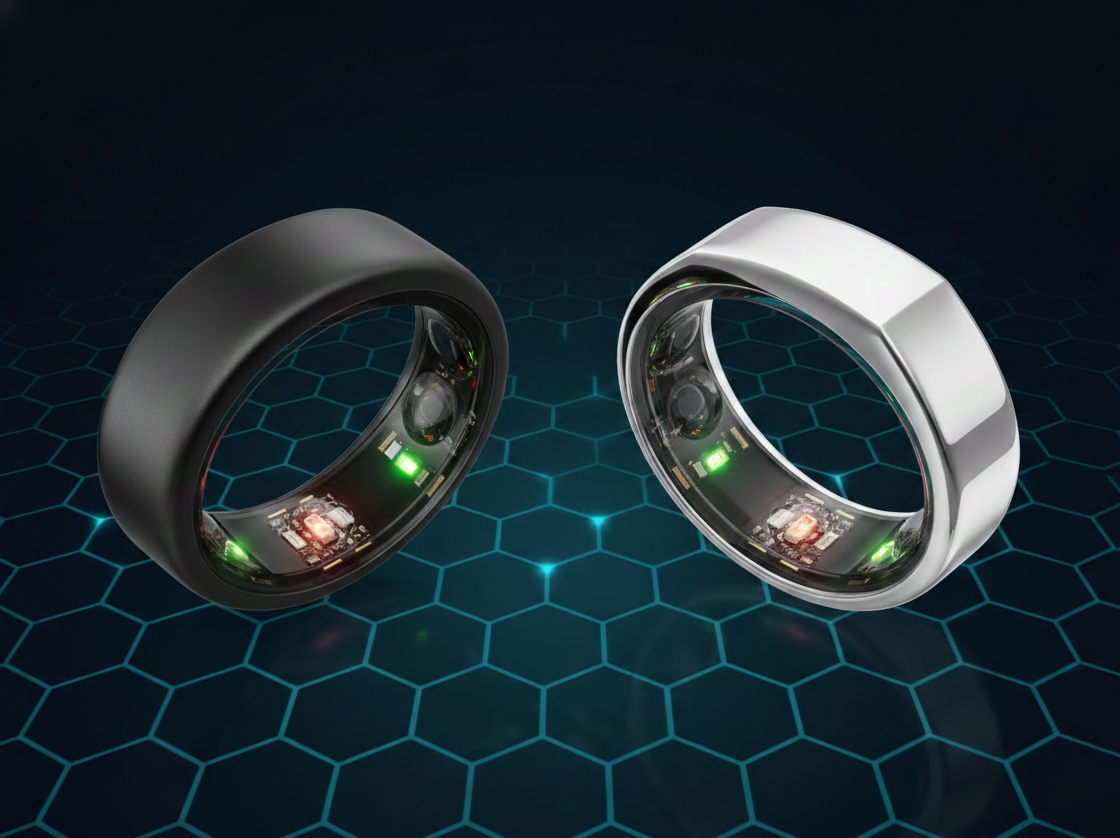
In the longevity community, the goal is to minimize biological downtime. In 2026, we no longer wait to “feel sick” to take action. By leveraging the high-fidelity sensors in the Oura Ring, you can identify the exact moment your immune system begins to pivot toward a defense posture.
When your body is fighting a viral load or dealing with systemic inflammation, your physiology changes in predictable ways. This guide breaks down the three “Red Flag” metrics for how to predict viral load with Oura Ring.
We also recommend checking out our guide on the Best Sound Machines for Delta Sleep.
Table of Contents
Affiliate Disclosure: As an Amazon Associate, we may earn a commission from qualifying purchases at no additional cost to you.
The Lead Indicator: Deviated Temperature Trends
Your Skin Temperature is the most sensitive metric to predict viral load with Oura Ring. While your core temperature is tightly regulated, your skin temperature fluctuates based on your immune activity.
- The Baseline: Oura doesn’t give you a raw number (like 98.6°F); it shows you a deviation from your personal baseline.
- The Warning Sign: A rise of +0.5°C or higher is a significant indicator. In 2026, data suggests that a sustained temperature increase often precedes a fever by 24–48 hours. If you see a “mountain” forming in your 7-day trend, your viral load is likely increasing.
- Inflammation Check: Consistent, minor elevations (+0.2°C to +0.3°C) that don’t result in a fever can indicate chronic systemic inflammation or poor recovery from high-intensity training.
The Stress Signal: HRV (Heart Rate Variability) Collapse
HRV is a window into your autonomic nervous system. When you are healthy, your HRV is high (high variability). When your body is under stress, whether from a virus or inflammation, your HRV will “collapse,” providing a window to predict viral load with Oura Ring.
- The Immune Shift: When the body detects a pathogen, it shifts into Sympathetic (fight or flight) mode to mobilize white blood cells. This causes your HRV to drop significantly below your monthly average.
- The Predictive Drop: A sudden 30% to 50% drop in your overnight HRV, combined with a slight temperature spike, is the “smoking gun” for an oncoming illness.
- Recovery Tracking: Monitoring the rebound of your HRV is the best way to determine when your inflammation has subsided and you are safe to return to high-load activities.
The “Hidden” Metric: Respiratory Rate Spikes
Most users ignore Respiratory Rate, but it is one of the most stable metrics you have for trying to predict viral load with Oura Ring. Most healthy adults fluctuate by less than 0.5 breaths per minute (bpm) night to night.
- The Viral Indicator: A sudden increase of 1.0 to 2.0 bpm is a major red flag for respiratory viral loads (like the flu or newer 2026 strains).
- Oxygen Demand: Your breathing rate increases because your body’s metabolic demand is higher while fighting an infection. If your breaths per minute spike, it’s a sign that your system is working overtime, even if you still feel “fine.”
2026 Wearable Recommendations to Predict Viral Load with Oura Ring
To track these metrics with clinical-grade accuracy, you need the latest hardware. Here are the top choices for predicting viral load with Oura Ring.
The Industry Leader: Oura Ring Gen 3 Heritage

The Oura Ring Gen 3 Heritage remains the gold standard for predictive health data. With its research-validated temperature sensors and advanced LED arrays, it provides the most stable baseline for identifying viral trends, improving your odds of attempting to predict viral load with Oura Ring.
- The Benefit: It offers “Rest Mode,” which automatically detects when your body is under stress and suggests recovery protocols. The 2026 software updates have made its Illness Detection algorithms significantly more accurate.
- Best For: Biohackers who want a discreet, “set it and forget it” tool for 24/7 immune monitoring.
The Proactive Alternative: Oura Ring Gen 3 Horizon

The Oura Ring Gen 3 Horizon offers the same high-level internal tech as the Heritage but in a perfectly circular, seamless design.
- The Benefit: The Horizon model features a slightly more refined sensor housing, which can lead to better skin contact and more consistent Respiratory Rate readings, especially for those who move a lot in their sleep.
- Best For: Users who prioritize a jewelry-like aesthetic without sacrificing the predictive data needed to catch inflammation early.
To add further technical depth to your Oura Ring guide for TheWellnessReview.blog, I have added two sections focusing on the “Circadian Flare” for chronic disease and the “Oxygen Saturation (SpO2)” metric as a secondary viral indicator.
The Circadian Flare: Spotting Chronic Inflammation Flares
While acute viral loads cause sudden “spikes” in data, chronic systemic inflammation, often seen in conditions like Rheumatoid Arthritis or IBD, presents as a disruption of circadian rhythmicity. 2026 clinical research has shown that wearables like the Oura Ring can predict inflammatory “flares” up to four to seven weeks before physical symptoms become severe.
- Nocturnal Heart Rate Decoupling: In a healthy state, your heart rate should “dip” significantly during the first half of the night. If your heart rate stays elevated and “flat” (losing its rhythmic dip), it is a hallmark sign of a body stuck in an inflammatory loop.
- The Stability Metric: Chronic inflammation causes “noisy” data. If your nighttime HRV becomes erratic—swinging wildly between high and low without a clear recovery trend—it signals that your autonomic nervous system is struggling to maintain homeostasis against a constant inflammatory load.
- The Long-Term Trend: Use Oura’s Trends view to look at your 3-month baseline. A slow, creeping increase in your average resting heart rate (even by 2–3 bpm) over several weeks is often the first warning of a systemic “smoldering” inflammation.
SpO2 and the “Silent” Viral Load
In 2026, we have learned that some viral strains are “silent,” meaning they don’t always cause a high fever but significantly impact blood oxygen levels (SpO2).
- Oxygen Saturation Trends: Oura tracks your SpO2 overnight by shining red LEDs into your finger. A normal reading is 95%–100%. If you see your average drop to 92% or 93% consistently for two nights, your body is likely struggling with a respiratory viral load that is taxing your lung capacity.
- Breathing Regularity: Oura also tracks “Breathing Regularity” during sleep. Sudden spikes in “disturbed breathing” reports, combined with a drop in oxygen, can indicate that a virus is causing inflammation in your airways before you start coughing.
- The Synergistic Red Flag: When you see a SpO2 drop paired with the Respiratory Rate spike we discussed earlier, it is a high-confidence signal to seek medical consultation or initiate an aggressive recovery protocol.
The “Early Intervention” Protocol
If your Oura data shows a Temperature spike, an HRV collapse, and a Respiratory Rate increase, follow this protocol:
- Immediate Rest: Stop all high-intensity training. Your body needs those resources for the immune response.
- Hydration & Electrolytes: Viral loads deplete cellular hydration rapidly.
- Activate “Rest Mode”: This tags your data so the Oura AI knows your “poor” scores are due to illness, preventing it from skewing your long-term activity goals.
Conclusion: From Tracking to Proactive Defense
In 2026, the Oura Ring has evolved from a simple sleep tracker into a personal early-warning system. By shifting your focus from your “Readiness Score” to the raw Lead Indicators, Temperature Deviation, HRV Collapse, and Respiratory Rate, you move from being a passive observer of your health to an active defender.
The data provided by these rings offers a 72-hour window of opportunity. When you catch a viral load or an inflammatory flare in this window, you can intervene with rest, hydration, and targeted supplementation, often preventing the illness from ever fully manifesting. In the pursuit of longevity, there is no greater tool than the ability to maintain biological continuity by avoiding the downtime of sickness.
Was this article helpful? Read one of these next:
Leave a Reply